

•••• Shopping, Dinning and Clubbing
Not more than 35 minutes end to end. But within this well-defined perimeter, there is plenty of fun for the tourist. Basically, Lome is a city made for three things: shopping, dinning and clubbing writes ABDUSALAM NASIR
Frequent travellers across the coastal cities of West Africa will find Lome, the capital city of Togo, fascinating. In the last 10 years, it has transformed rapidly from a dusty African capital city to a humming, glittery enclave on the edge of the Atlantic. This rapid development has not yet eroded its Gallic charms. Colourful hous- es, grand boulevards, squares and pleasantly green gardens and vestiges of colonial archi- tectural style, are still evident in its visage. This is a reminder: here is a city once nick- named the Paris of Africa.
Travelling through the Boulevard Circulaire (le 13 Janvier), the main artery through downtown Lome, you get a good glimpse of postcard vistas of a palm-lined Atlantic coastline. To one side is an eyeful of white beaches; on the other side are high-end hotels, upmarket hangouts, exquisite, tall, glass bank buildings, and bubbly markets.
Lome is a small, boxed-in city; bracketed by a lagoon to the north and the Atlantic Ocean to the south, it is hedged by Be village to the east and Aflao border of Ghana to the west. Not more than 35 minutes end to end. But within this well-defined perimeter, there is plenty of fun for the tourist. Basically, Lome is a city made for three things: shopping, dinning and clubbing.
Good morning, shoppers
If sightseeing is your pastime, then you would have your hand full touring the city, doing actual shopping or just window-shopping.
Top on the bucket of a tourist’s to-do list is a visit to the Independence Monument at the centre of the city. Located in a well- landscaped traffic circle, it is a prime location for selfie or group photos. It is often said that you have not been to Lome if you fail to snap a picture at the Independence Centre.
Next, make the short trip to the Congressional Palace (Palais du Congrès) complex where the National Museum (Musee National) is located. The museum is an exhibition of a vast collection of West African jewelry, masks, musical instruments, pottery, dolls and weapons. The artifacts are symbolic of Togolese traditions.
From the museum, go to the Grand Market, undoubtedly Lome’s biggest daytime attraction, and a massive market that occupies an entire city block. But by the time you successfully toured the length and breadth of it, its secret will be laid bare, namely, that it is indeed a combination of three contiguous markets known locally as Atipoji, Asigame and Assivito.
While you are there, visit the first floor of the large three-storey hall that sells a farrago of commodities, ranging from red peppers, green lemons and dried fish to combs, travel bags and traditional medicinal remedies. The first floor is the home of Nana Benz, famous Togolese traders of cloths and ready-to-wear clothes, and the hub of vintage batik fabrics in West Africa. Somewhere in the market, among the crush of crowd, you would find a lively band of local performance.
By noon, you should be in Akodessewa fetish market. This market of voodoo items, the largest of its kind on earth, is a place to see skins and skulls of some rare animals. However, while you are there, be a tourist. It’s like when in Rome, behave like the Romans. So, when in Lome, make sure you buy a fetish item, either a gongon (iron bell) or gris-gris (talisman). That will be a memento and a reminder that you were once in the City of Voodoo!

Before the sun becomes unbearable, complete the morning round by visiting Centre Artisinale, a souvenir market where you can pick a curio – wooden carving, clay pot, authentic fabrics, local painting or even leather sandals – at a good, affordable price.
Dining out at noon
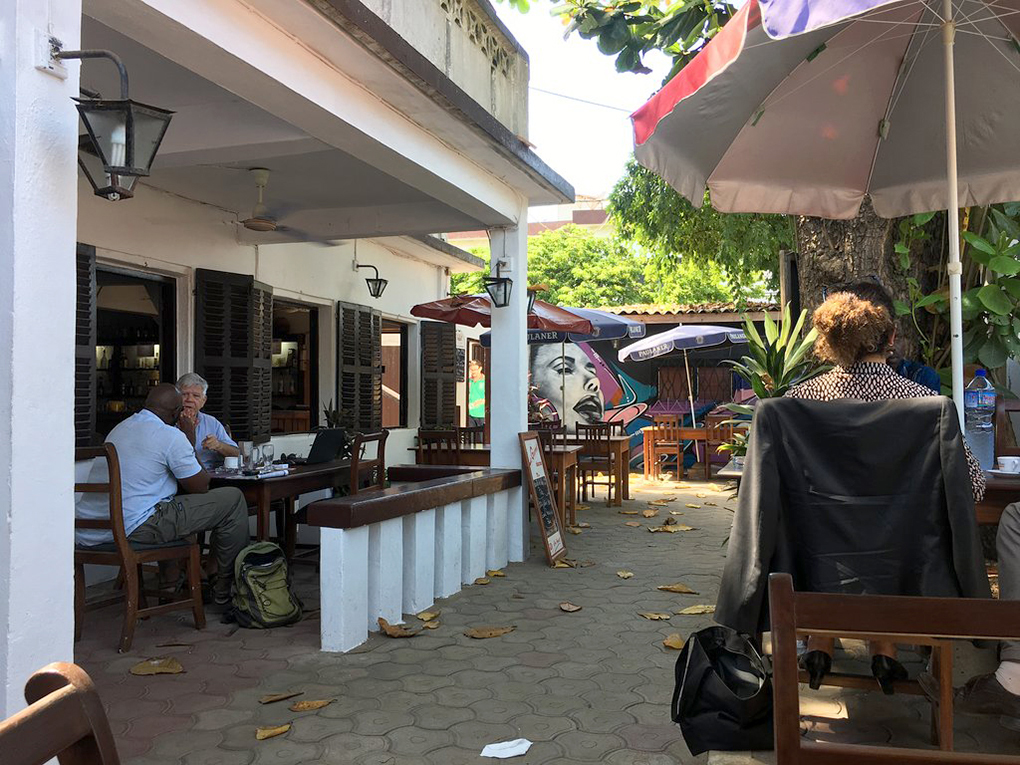
By noon, you may have to take a refuge from the scorching sun. The heat in Lome is at times insufferable. More importantly, you may have to ‘fuel’ your stomach after the morning gig. The afternoon can easily be spent sampling native foods and the popular foreign cuisines – French and German, Lebanese and Chinese cuisines – served at various restaurants.
Where do you start?
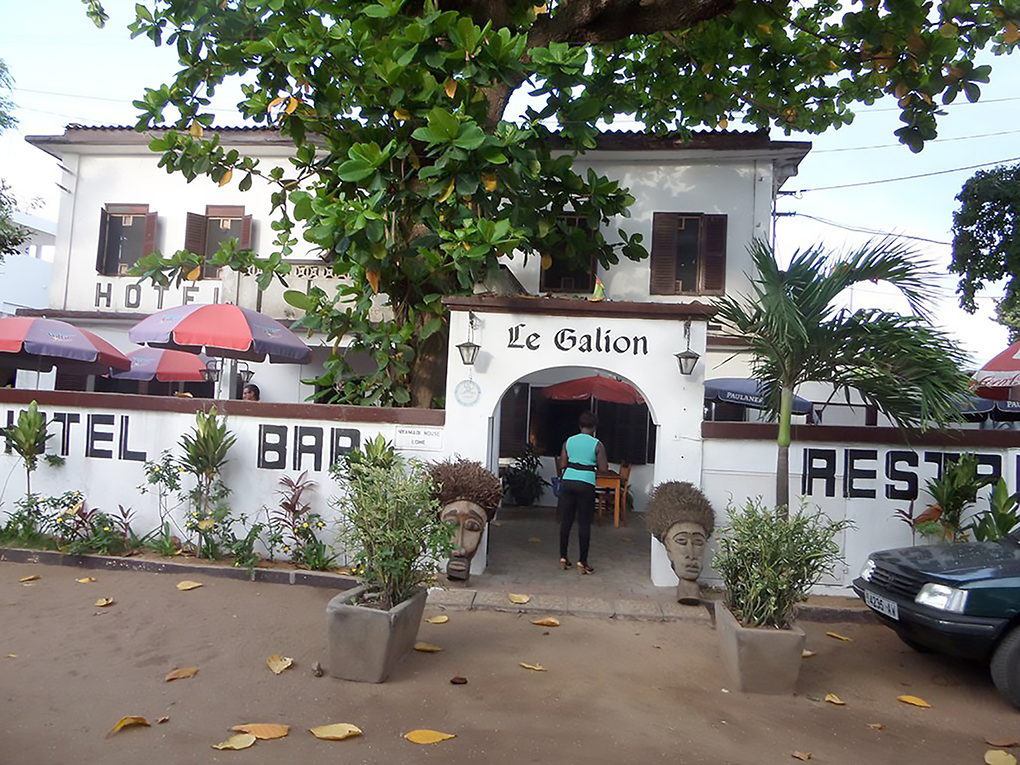
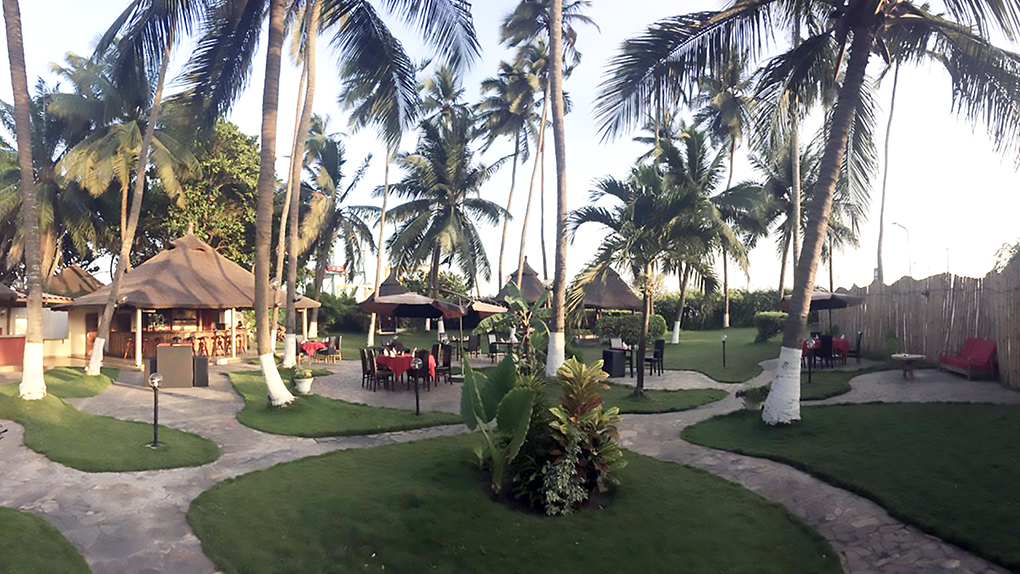
Try Le Galion on Rue des Camomilles. A relaxing place to enjoy a drink or bistro food, the restaurant is run by a French-owned hotel near the beach in Kodjoviakope. Omelettes, steaks, spaghetti, salads, chips and fresh vegetables are part of their standard menu. They also serve beer. On a weekend, it’s a place a football fan can watch his favourite team while filling his tummy. The atmosphere is often tranquil, that makes it an ideal place for a quiet meal near the ocean, whatever time of the day.

Alt Munchen
You may also try Alt Munchen on Boulevard Du Mono, a stone throw from the roundabout at the free port, in a bustling part of the town. Though, a bit expensive, it is one of the best restaurants in town, a German restaurant whose menu includes French, German, European, and Central European cuisines, and Beaufort beer on its alcohol selection. The menu can be confusing; it boasts a smorgasbord of dishes, from soups, pizza and pasta to German cuisine. To keep it simple, choose a German dish and a bottle of imported Belgian beer. Your best bet would be smoked pork, sauerkraut and boiled potatoes. For starters, opt for salads or their fancy avocados.
Patrons of Alt München can have their meals inside the restaurant or in its encircled garden. Either way, they are assured of unforgettable dining experience.
Street menu
Try the local street food. If you are a foreigner, you need to know what you want. Ask for Akume, a savoury porridge made from maize flour served with sauce. The common sauce is made from aubergine (eggplant), tomato, spinach and fish.
You may also try fufu. In Nigeria or Ghana, fufu means different things. But in Togo, it means yet another thing: mashed yam eaten with soup made from peanut, goat meat and palm nut. For adventure, you may want to try a number of Riz sauce d’arachide (Rice with peanut sauce).
For something to munch, buy Koklo meme (grilled chicken in a chili sauce) or Yassa (chicken in a spicy and tangy sauce) or Gbomo dessi (spicy beef and spinach stew).
Beach escape
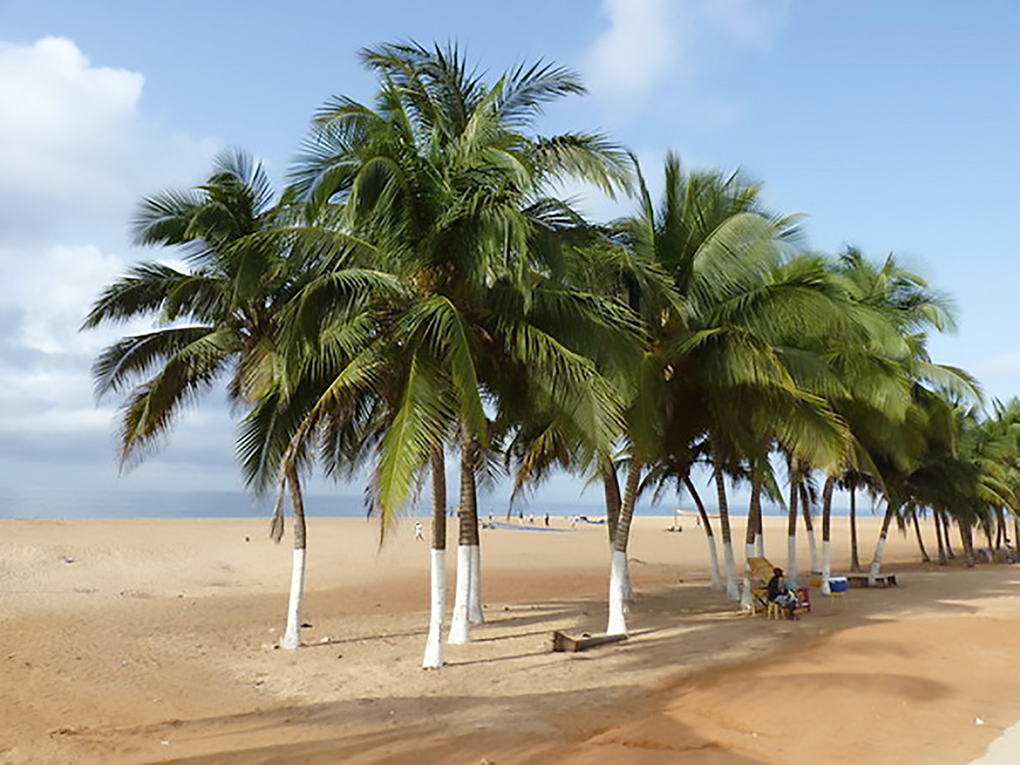
Round off the day with a relaxed time on the beach. For a bustling fun time, the beach close to Ghana border is your best option. Available are lots of drinks, with chilled Castle Milk Stout, the favourite. You can also dig deeper for local drinks. Tchouk, a millet beer, is the local brew of choice. Other drinks are Deha, which is the regular palm wine, the grain liquor called Sodabe or Tchakpallo, fermented millet.
A caveat: Togolese are a bit strict with alcohol; that is why in the country, 21 is the age for drinking.
Nightlife
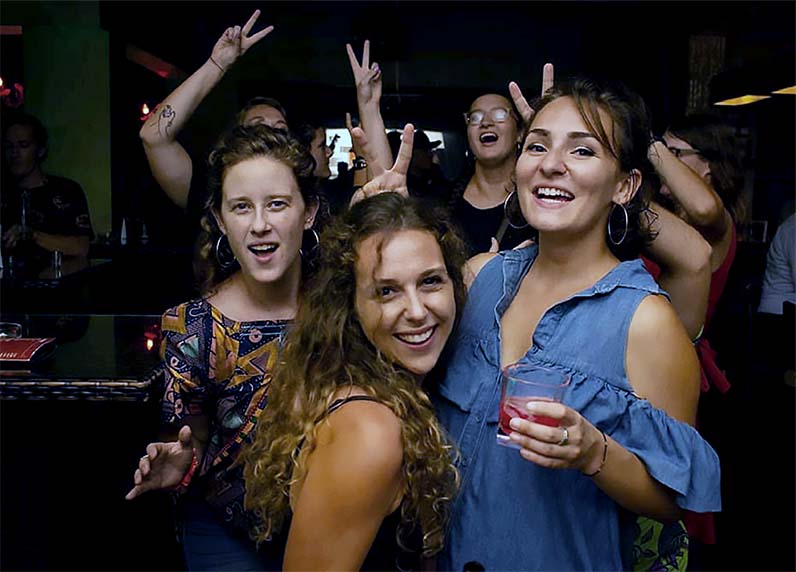
Save the evening time for the real leisure. Night is when Lome comes alive. It is instructive to know there is a small distinction between nightlife in Francophone and Anglophone West Africa; the idea of partying in former British colonies focuses more on intoxication – beer binge and booze-fuelled merriment. The ex-French colonies, Togo included, focus more on music and dance. In this wise, the Togolese capital is a city made for night clubbing; aside the city’s friendly ambient and the relative safety of night crawling, Lome has high density of bars and clubs, some of which are of international standard, but with strong sense of local culture.
A typical nightclub remains open until the wee hours of the morning, and a great deal of dancing goes on there. The music is a mélange of West African and popular western music. Lome’s nightlife makes for good company, because it is dominated by expatriates (Europeans, Americans, Lebanese and Chinese), upper class Togolese and well-heeled tourists from neighbouring West African countries.
You can start the evening at Privilege, one of the best and most expensive clubs in the city. Attached to the hotel’s Palm Beach on Avenue Pompidou, Privilege is the biggest and most spacious club in the city. Entry is free, even into the VIP section. The club stays open until 3am on weekends. With its characteristic electronic dance and pop music, it is a place to be for late night crawling.
For variety, you may visit La Ville Lounge, the hub for Togo’s expatriate community. A lot of revelers who start the night at Privilege always end up at La Villa and vice versa. The clubbers are mostly Europeans (predominantly Germans and French) and Asians (Lebanese and Chinese). Because of its patrons’ diversity, the music at La Ville is mishmash, mostly hip-hop and pop. The music typically starts with slow jam, with the tempo gradually rising poco-a-poco until it gets to the real club-banger that is pan-Africa: from Nigeria’s P-Square, Wizkid, Davido and Burna Boy to Ghana’s Shatta Wale, Stonebwoy and other Azonto beats, to Congo’s Bernard Mayo, Fally Ipupa and the good old tunes of Awilo Logomba.
Safe and friendly
Lome is safe, Togolese are friendly, but you shouldn’t throw away the “safety first” rule for tourist. Don’t wander around on your own at night, especially on the beach. Secondly, go everywhere with cash – that is, the West African franc, CFA. Not many ATM points can be found in Lome. While credit cards are accepted in highbrow hotels, clubs and restaurants, service providers prefer to be paid in cash.