

By Tosin Ajirire
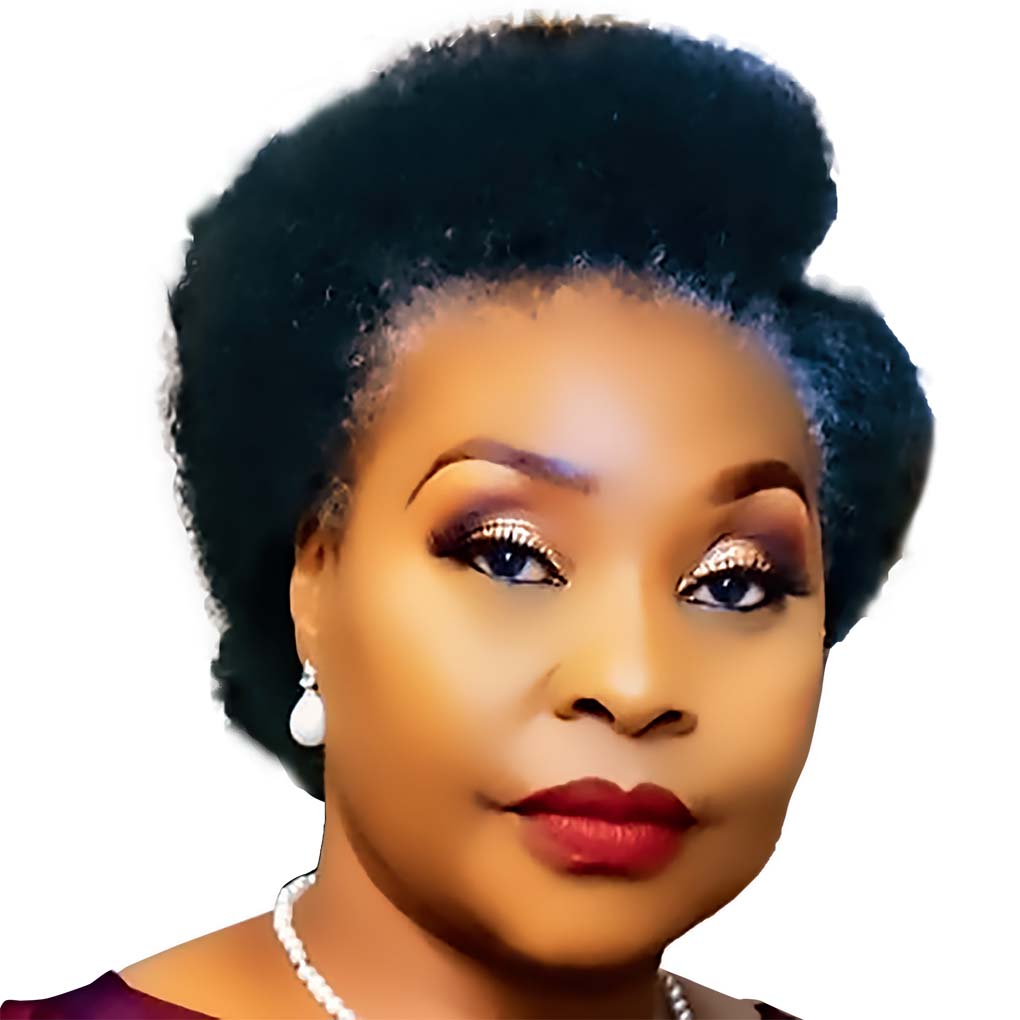
South African legendary singer and songwriter, Yvonne Chaka Chaka is not called the ‘Princess of Africa’ for nothing. Her significant contribution to African music and her influence across the continent earned her the title – a well-deserved honour done to her in Uganda in 1990!
Born on March 18, 1965 in Dobsonville, Soweto, South Africa, Yvonne Chaka Chaka had a rough and tough childhood. It was the apartheid era and things were extremely difficult for the people, most especially, black. So, having lost her father at 11, she was – alongside her other two sisters – single-handedly raised by her domestic worker mother.
The year 1976 was when television berthed in South Africa but it was meant for whites only. Black people were locked out of the TV experience. However, five years later in 1981 when black people were allowed to own and watch television, Chaka Chaka was lucky to have someone put her on his show. She, therefore, emerged the first girl child to be on television.
“That was not a big deal to me because very few people had television at that time. We did not even have television at home, so very few people watched the show. It didn’t really mean much to me except that I earned lots of money. That’s the only thing that was very important to me,” she said.
Music runs in Chaka Chaka’s blood. The patriarch of the family was a gifted musician. But sadly, he died without achieving his ambition of becoming a music star. However, like the daughters of Zeus and Mnemosyne who preside over the arts and sciences in the Greek mythology, young Chaka Chaka had already had a fill from her father’s well of music.
As little as she was then, Chaka Chaka would turn empty container into a high sounding percussion and sing into a broomstick, childishly pretending it was a microphone.
In 1984, barely 19, Yvonne Chaka Chaka kicked off her professional music career when Dephon Records’ Phil Hollis discovered her in Johannesburg. And when she eventually dropped her debut, I’m in Love With a DJ, it turned out a chartbuster!
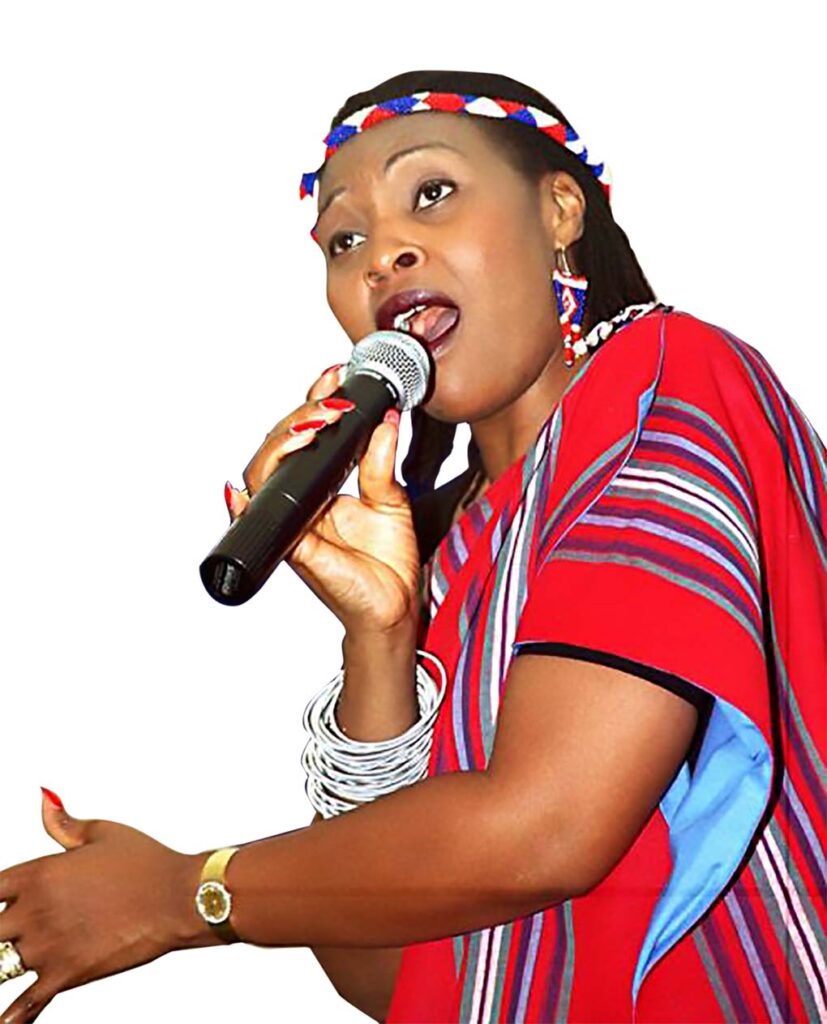
Hit after hit followed the debut, with Chaka Chaka attaining global stardom with smash hits like Umqombothi (African Beer), Thank You Mr. DJ, I Cry For Freedom, Rhythm of Life, Motherland, Burning Up, Sangoma, Who’s the Boss, Be Proud to be African, Who’s Got the Power, Bombani (Tiko Rahini), Kwenzenjani, Power of Afrika, Yvonne and Friends, and Back on My Feet amongst others. To attest to the ubiquity of Umqombothi, the song featured as the opening soundtrack of the 2004 biographical historical movie, Hotel Rwanda. And so, what the senior Chaka Chaka couldn’t achieve due to untimely death, Yvonne, his daughter, accomplished in so many ways, making her not only a megastar today but also the G.O.A.T.
Since fame beckoned, Chaka Chaka has shared the stage with world famous musicians. She has equally met, and performed for global leaders including former United States Presidents Bill Clinton and Barrack Obama, Nelson Mandela, Thabo Mbeki, Queen Elizabeth II, and Oprah Winfrey.
With her hands in many pies, Chaka Chaka aside from being a musician, is also an entrepreneur, humanitarian and teacher. She’s equally involved in several philanthropy and advocacy programmes.
As a UNICEF Goodwill Ambassador for Africa, Chaka Chaka leads advocacy for education, health and women’s empowerment. Her charity, Princess of Africa Foundation (POAF), which was established in 2006, partners the ACTION global health advocacy. In addition, she remains a champion for global organisations like Gavi, UNITAID, Global Fund to Fight AIDS, TB and Malaria, and International Planned Parenthood Federation (IPPF).
Chaka Chaka combines artistry with academics. Though, she couldn’t read law, her first love, she studied Speech and Drama at Trinity College, London, graduating with a Bachelor’s degree in 1997. She also has a degree and diploma from the University of South Africa.
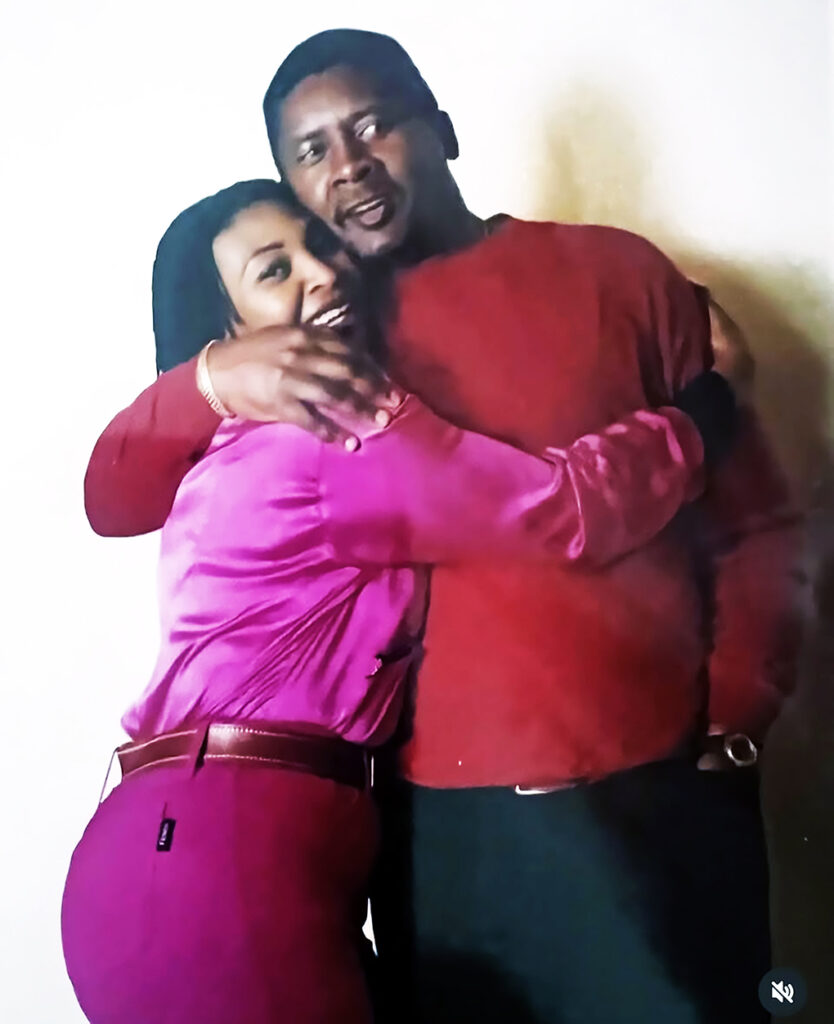
Married to Dr Mandlalele (Tiny) Mhinga, Chaka Chaka is a devoted, virtuous wife and mother of four sons. In her illustrious career spanning over four decades, she has received countless awards and honours in recognition of her musical and humanitarian achievements.
SHOWBIZ Executive Editor, Tosin Ajirire, sat down with Yvonne Chaka Chaka in Accra, Ghana, and discovered that for her, age is just a number. Even as she clocked 60 on March 18, 2025 and also celebrated her 40 years on stage, the Princess of Africa is neither slowing down nor relenting. Rather, she continues to embody the spirit and soul of African music, extend its frontiers, advocate for good causes, and shape the narratives of true humanity through her charity.
You just lectured young Ghanaian artistes on how to play good music. How did the lecture go?
Yes, it went well. I have been in the music industry for many years, and I find it very interesting that wherever I go, young artistes come to learn from me. That’s very appealing and that really humbles me. I learn from young artists as well. I don’t consider myself to knowing it all; I work with different young artistes and I learn from them too.
What I can do is to encourage them to be the best that they can, to impact knowledge, to teach them where I went wrong, where I made mistakes, to say be careful of this and make sure you don’t trip the way I tripped as a younger musician. So, that’s my job and duty as an elderly musician, as a mother – to encourage young artists to choose correctly, to teach them how to sign a contract, how to choose a manager, and how to stay relevant.
Let’s take a look back at when you started, did you have a mentor? Did you have someone who mentored you like you are mentoring the young ones now?
Unfortunately, when I started, there were no mentors. We just did things. One day, you came from a poor family and the next day you woke up being a star. You woke up having lots of money, you woke up having these shows, having all these people around you, having bodyguards and you didn’t know how to handle the fame.
So, there were no mentors, no people to teach us. And when you make all this money, you don’t know how to use it, you don’t know how to invest the money. I’m grateful to God who has helped me and made me to have my feet firm on the ground. If it wasn’t for God, I probably would have gone astray. I would have had fame going into my head, and I wouldn’t have respected my art, respected people around me, and respected the people who made me who I am.
We loved people like Miriam Makeba, but they were far from us, they were in exile, they were not in the country. We heard about people like Fela Kuti, but we never saw them. I was in South Africa; they were in Nigeria. We heard about people like Manu Dibango. We heard about great stars like that, but I never got to meet them. You wanted to be like them, but you never thought you would be like them. But later in life, I was very lucky to meet and interact with them. So, when we started in the music industry, there were no mentors, there were no people to guide us, no people to help us, no people to sit us down and tell us how difficult it was in this industry, there was absolutely none.
Okay, let’s start from the beginning. How actually did you come into music?
I came into music by chance, really. We always plan things for ourselves but God always has a plan for us. I was meant to go to university to study law. But unfortunately, that particular year, I found myself in SABC (South African Broadcasting Corporation) and the guy who was there saw me and introduced me to a record company’s boss, and that was how it started.
How did your parents react to your foray into music?
My mother didn’t know that I was playing music because she wanted me to go to university to study law. I actually tried to study law but I failed some subjects. I only passed English (Language) and I said to my mother ‘I don’t think I want to study law, I want to sing’. She was not happy, but she sort of let me when she saw me coming home with lots of money. That was how it all started.
But I eventually went to university to study Speech & Drama. My mother thought music was not a profession (like law) and I had to promise her that I would go to university so that in future I’d have something to fall back on. It’s only later in life when I finished with my studies that she encouraged me to continue with music.
Now, did you miss anything for not being a lawyer?
My mother wanted me to be a lawyer. She thought it’s the best thing for a woman to have education so I would never have to depend on men or have anybody take me for a ride. She really wanted me to acquire as much knowledge as possible. But looking back, I think I would have been a hopeless, poor lawyer. So, I don’t miss anything really. I am happy to be Yvonne Chaka Chaka.
You are the first black female artiste to appear on the South African television. How did that come about?
No, I am not the first black female (artiste) to be on television, but the first girl child to be on television. Obviously, television in South Africa started in 1976, and it was only for white people. When black television started in 1981, I was very lucky to have someone put me on his show, and I’m grateful to him. But that was not a big deal to me because very few people had television at that time. We did not even have television at home, so very few people watched the show. It didn’t really mean much to me except that I earned lots of money. That’s the only thing that was very important to me.
You’ve released quite a number of albums. I remember Umqombothi cutting across the continent, what inspired that song?
When I started singing in 1985, it was just by chance. As I said earlier, my mother was not happy with me singing. Anyway, I never thought there was longevity in the music industry. I never thought that after more than three decades, I would still be relevant, I would still be singing.
Why?
It’s because music evolves, it changes; you are as good as your first hit. So, from I’m In Love With Mr DJ to Thank You Mr DJ to Umqombothi to Every Woman Needs A Man to I’m Burning Up to I’m Crying For Freedom and to Keep Looking At Me, you know, after all these years, I can still say ‘keep looking at me’. I have got reasons to say ‘keep looking at me’.
What inspires you to write good music?
I am inspired by the people around me, people who support me, people who appreciate me, and people I appreciate. Those are the people who really inspire me, those are the people who hold my hand and make me appreciate life. When I see children sitting under the tree, women picking up stuff, I get inspired and then write a song. When I see our brothers crossing the Mediterranean Sea, going across the sea to look for greener pastures; that inspires me to write music. My music gets inspired by the things I see everyday. So, that’s what keeps me going, that’s what inspires me to write good music. Let’s talk about your first time performing on stage.
Did you experience stage fright?
Of course, I did.
How did you conquer the fear?
In 1985, I had my very first show in Lesotho and there were more than 30,000 people who kept on screaming ‘we want Yvonne, we want Yvonne’. I went on stage and I turned back, and my then manager said, ‘Yvonne, if you don’t go on stage, these people are going to kill us’. I burst into tears. I started crying. Then, suddenly, I closed my eyes and started singing ‘I’m in love, love, love with the deejay’ (laughter). I didn’t look at the crowd and people just kept on singing along. I didn’t really know what happened; I couldn’t even describe the feeling. I did have stage fright because I couldn’t imagine myself singing for such a huge crowd.
How do you get high?
I enjoy performing. I love performing more than being in the studio. I love it when my crowd interacts with me. I guess when you love your work, when your crowd eats from the palm of your hand; that gets you high. When my crowd responds to me, that gets me high. And I guess it’s my work. It’s like a doctor going into the theatre to do surgery; he gets excited and has to make sure that he performs the operation so well. It’s the same thing with me when I get on stage…
Okay, what do you do before going on stage?
I pray.
You don’t drink or smoke?
I don’t. I have never taken alcohol. I don’t drink; I don’t smoke. I tried to take alcohol when I was 18; I took a glass of wine and I threw up. That day, I decided I would never take alcohol again.
And you released Umqombothi, calling it your special African beer?
Yes. Umqombothi is the beer that people drink, but not to get drunk. They drink it to say ‘we appreciate each other’. You drink Umqombothi from a calabash; you drink and give it to the next person to drink. We drink it when we get a feast – either a funeral, wedding or paying of dowry. So, we drink Umqombothi for a good reason. I don’t even drink Umqombothi. I recorded that song and it doesn’t mean I drink Umqombothi (laughter).
You’ve performed with quite a number of world famous artistes. What was the experience like performing with legends like Miriam Makeba, Aretha Franklin etc.?
I’ve been very lucky to perform with different artistes including Miriam Makeba, Bono, Aretha Franklin, and Beyoncé. I always believe that we are like flowers in the garden, God loves us all and we are all here for different purposes. I believe there’s one Miriam Makeba, there’s one Beyonce, there’s one Brenda Fassie, there’s one Yvonne Chaka Chaka, there’s one Youssuf N’dour, and there’s one Fela Kuti. We are all here to do different work but using one voice, which is music. It’s all about appreciating each other, learning from one another and doing our job, that’s it.
Have you ever shared the stage with a Nigerian artiste?
Yes, I have shared a stage with Femi Kuti. In Paris, I shared the stage with Femi’s younger brother, Seun. I have shared the stage with Lagbaja (the masked one). I love him so much. I want to see his face; I have only seen his teeth (laughter). And there are so many other young artistes like Ice Prince…
Do you miss not performing with Fela Anikulapo-Kuti?
Well, I have been to the (Fela’s) Shrine several times.
When last were you at the Shrine?
Oh, when Fela was still alive.
You saw Fela performing?
Yes.
When was that?
I think my first time at the (Fela’s) Shrine was in 1989. That was when I first came to Nigeria. Then, every time I visited Nigeria, I went to the Shrine. I love Africa so much; it is a beautiful continent. Though, poorly managed, Africa is not a bad continent.
How would you describe Fela?
Fela was one of those great artistes Africa ever had. He used his voice to talk about the atrocities in Nigeria, and the world at large. And what better way to do it than (through) music. So, he’s one of a kind and there is never going to be another Fela. He used his voice, his music to say ‘Africa, wake up!’
Which of Fela’s songs is your favourite?
They are too many. I love ‘Lady’. Fela loved women and women loved him too (laughter). Fela was a man of many women. He was an entertainer; you could not compete with Fela on stage.
What did you take away from your encounter with Fela – his lifestyle, his music?
You cannot copy others. As an entertainer, you don’t have to copy others but you can learn from them. Copycats don’t last in the music industry. The way Fela did his thing – he was not scared to reprimand the government or to say that things are wrong. He was never scared to say things were wrong in my country, South Africa or in Africa generally. So, you get inspired to sing songs like ‘I Cry For Freedom’, ‘Motherland’, ‘Be Proud to be African’, ‘Africa is my Home’, ‘Power of Afrika’, ‘Princess of Africa’, ‘Africa is Crying for the Children’. So, you get inspired by people like Fela, Miriam Makeba, etc.
What advice did Fela give you, especially, regarding your music?
Not really, I never sat down with him to chat. The person that I toured with was Femi (Kuti). I did a couple of shows with Femi; we went to different places including Port Harcourt.
What’s your impression of Femi?
His music is amazing as well. He was much younger then; handsome young man, clever, and a true African just like his father. They say the apple never falls far from the tree. So, Femi is just like his dad, a very talented African who truly loves Africa. I love people who appreciate themselves and know that they are true Africans and never want to copy anybody. When you know yourself, your culture and you embrace it and never want to be anything else, people love you for that. People like Fela, Femi, Angelique Kidjo – they don’t want to be like anybody else – they stay true to themselves. Those are the people who encourage us.
Which Nigerian artistes would you like to work with?
I have collaborated with different artistes in Africa. There’s a song I did with Ice Prince from Nigeria. It’s his song but I’m not sure if it’s released yet. I work with different artistes, young and old. For me, it’s about impacting knowledge and learning from the young ones as well. So, I’m happy to work with anybody who really shares my norms. I truly believe this is our Africa. I strongly believe music should entertain and educate. People should be entertained, not singing just for the sake of singing.
What are your greatest moments as an artiste?
Everyday is my greatest moment. The fact that I wake up every morning and breathe; that’s my greatest moment, because some people do not wake up. So, my greatest moment is when I wake up and I am alive. There are people who don’t have food, people with no roof over their heads. So, not taking life for granted is my greatest moment.
Okay, have you had any low moment as an entertainer?
No, I’ve never had low moments. For me, everyday is LG – Life is Good! Yes, life is good. I can never complain because as I said, just for having this life, it’s a privilege, it’s not a given. You know, you can’t buy life. Look at a man I adored and really loved. He had millions but he couldn’t buy his own life. Steve Jobs – the Apple guy – he had all the millions that could have saved his life but he died. So, you can’t take life for granted.
I always thank God for my life, and then thank my husband and family, and the world and other people. But I thank God always; I never take that for granted. I’m alive. I’m not sick. I’m not ailing. At my age, I’m not feeling any pain in my body. I’m healthy, I’m fine, and I’ve got my beautiful legs (laughter).
What are your challenges as an artiste?
I don’t have challenges.
Are you sure, not a single one?
No, I do what I love. I love my music. I record when I want. I release when I want. I distribute where I want. So, I don’t have any challenges. I own my music, nobody owns me. I am not signed; I am not an artiste of a record company, I am my own boss. I am my own artiste. I have no record company that tells me what to sing, when to release, how to release, what to wear, how to do this and how to do that. No, I do not. So, I do not have any of those challenges.
Is your husband also an artiste?
No, my husband is a medical doctor.
How did you meet each other?
We met somewhere…(laughter). I guess it’s a very interesting love story, so tell us.
We met somewhere many years ago.
Was it at a music concert?
No.
Church?
No.
Supermarket?
No. Okay, tell us how you both met.
We met somewhere, we became friends and we got married (laughter).
Just like that? You courted for how many years?
Yes, I met my husband and we were together for 3-4 years, and then we got married.
How did he propose – on bended knee?
No. But he must be a romantic guy before you could…
That’s a very long story. Obviously, I had to learn to love him; we became very good friends. He’s 12 years older than me, but he’s very supportive. We’ve got four sons together. He is a good man; he leaves me to do everything that I love. He supports me; that’s why my CD is titled ‘Keep Looking At Me’. It’s for him, my fans and everyone that supports me.
Four boys and no girl… aren’t you missing something?
No. Not even a girl to inherit all your jewellery, shoes, bags…
I am a mother of four boys, and every girl in the street is my daughter.
And there is no pressure on you to have a girl?
I’m done. I had my last child when I was 28 years old.
Are you a grandmother?
Yes, I am a grandmother. I’ve got a granddaughter.
Oh… great. What’s her name?
Lala Nabatha.
How did you get the title, Princess of Africa? I was named ‘Princess of Africa’ in 1990. That year, I visited Uganda for the first time and when I came out of the airport, the promoter told me there were people waiting to see the ‘Princess’. I said I live in South Africa; we don’t have Kings and Princesses. But here, people came out with placards, saying ‘Chaka Chaka, we love you. You are our Princess of Africa’. That’s how it started. I love Ugandans very much. Uganda is like my second home.
Could you then tell us about Princess of Africa Foundation?
Princess of Africa Foundation is for the empowerment of girls. We go everywhere – Kenya, Uganda, Tanzania – we partner with civil society organisations in different countries. We do a lot of advocacy about malaria, tuberculosis and AIDS, as well as nutrition. I work with UNICEF as a goodwill ambassador. I work with Global Fund, a worldwide partnership to defeat AIDS, tuberculosis and malaria – not only in Africa but also all over the world. I also work with Gavi, the global alliance for vaccines and immunization. The Princess of Africa works with these organizations. That is what we do; we do a lot of advocacy.
How has it been so far?
It’s been very good. I go to the United Nations General Assembly every September where we talk about different issues. We encourage African leaders to talk about domestic financing, it’s very important. We cannot continue to ask for funding and donations – you can’t get pregnant for nine months and then ask somebody to look after your child. So, it’s important that we finance and look after our own people.
It is important that people have sufficient money for health, education. Obviously, other people would tell you that infrastructure is the most important, but my thinking is that there is no wealth without health and education. When people are healthy and educated, they are able to do things for themselves. For me, education and health are the most important. People cannot go to a health centre and there is no medication or there is shortage of medication. If people go to health centre and there are no medications, and they stay at home and die, that becomes a huge problem. So, that’s what the Princess of Africa stands for – health and education.
How do you get funding?
From my savings. You fund it yourself?
Yes. I fund my NGO myself. If you can help me with funding, I would be very happy (laughter).
Yvonne, you are quite famous, what has fame done for you?
Fame has helped me to do things that I want to do. Fame has given me a voice – to be the voice of the voiceless. Fame has given me wings to fly where I would not have been able to fly. So, I am grateful for that.
Some music fans can be crazy. Have you had any embarrassing experience from any of your fans?
I have never had such experience, thank God. I have never had a crazy moment with a crazy fan. Probably, it would embarrass them, not me because I’m always calm. I’m a very calm person. So, nothing stresses me in life. I probably get stressed when I go on stage. Otherwise, I live a very stress free life.
You interacted very well with Nelson Mandela when he was alive. What advice did he give you?
I was very lucky to have spent lots of time with Madiba. Madiba was one of those people who would make you feel as if you are the only one in their lives when you spend time with them, and I consider myself very lucky to have spent time with him. Madiba was a great man who was loved by the whole world. He taught me humility, forgiveness and that grudges don’t make you a better person.
I am so grateful to have been born a South African. Yes, we still have Apartheid in our country; money is still in the hands of the whites, but our government is really trying. Lots of people have good houses; streets are tarred, most people have good accommodation. Things are not as they were; things have changed.
What was the experience like performing for the Queen of England, US President Bill Clinton, and other world leaders?
I performed twice for the Queen of England, and it was just like performing for someone like you. I have performed several times for Bill Clinton, and for me, it’s like performing for any other person.
Did you perform for Barack Obama?
Yes, I performed for Barack Obama the other day in Kenya. It was a nice experience. We had lunch together. Obama is a great leader; you can’t take that away. He’s very charismatic. Every great leader has a great woman behind or beside him. Obama’s wife, Michelle, is my inspiration.
How soon are you coming to Nigeria?
I’m not sure how soon I would come to Nigeria. But if you invite me, I would come to Lagos (laughter).
Lastly, what advice do you have for the up and coming artiste who wants to be famous like you?
If you have talent, if you have what it takes, you can be anything that you want to be. Never allow anybody to discourage you from becoming what you want to be. This is your God-given talent, so go out there, spread your wings, fly very high and be anything that you want to be.
Also, have your feet firm on the ground and let your work put you up. Other wings are there to lift you up. There’s twitter, there’s Instagram; there are social media avenues, which we did not have during our time. I was famous before all of these things – none of them was there but we managed to cross the borders and did it. So, guys, you are lucky that these avenues are available. So, go for it. Now is your time!
Thank you so much.
You are welcome.